
The Euclid Consortium STAR Prize 2026
The Euclid Special Talent And Recognition (STAR) Prize is a prize to acknowledge work done within the Euclid Consortium in different areas of activity. It was established in 2017, and every year prizes are awarded to nominees in different categories by the Euclid STAR Prize Committee. Nominations are accepted and encouraged from any Euclid Consortium member, excluding self-nominations.
The awardees are (full bios below / on click):
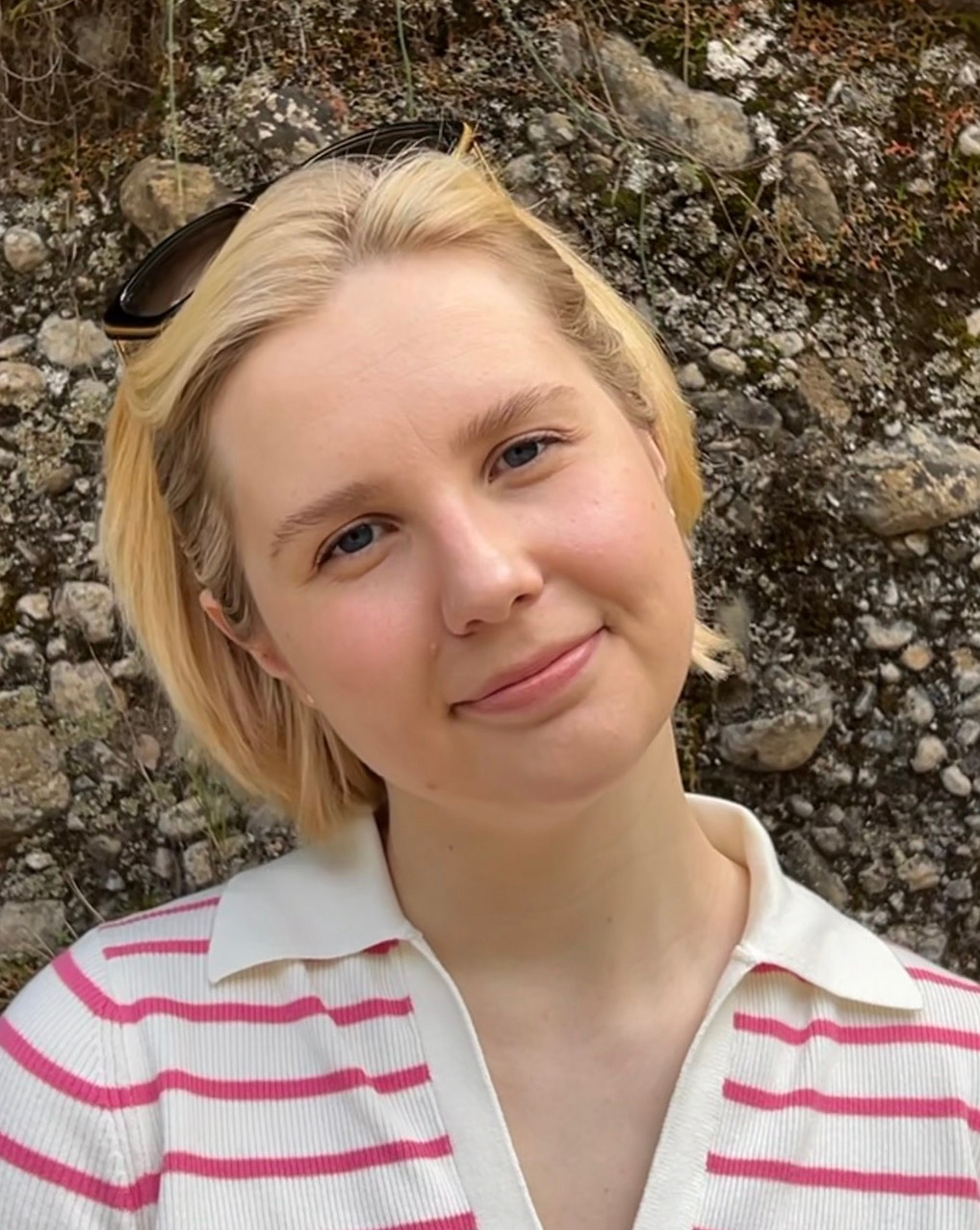
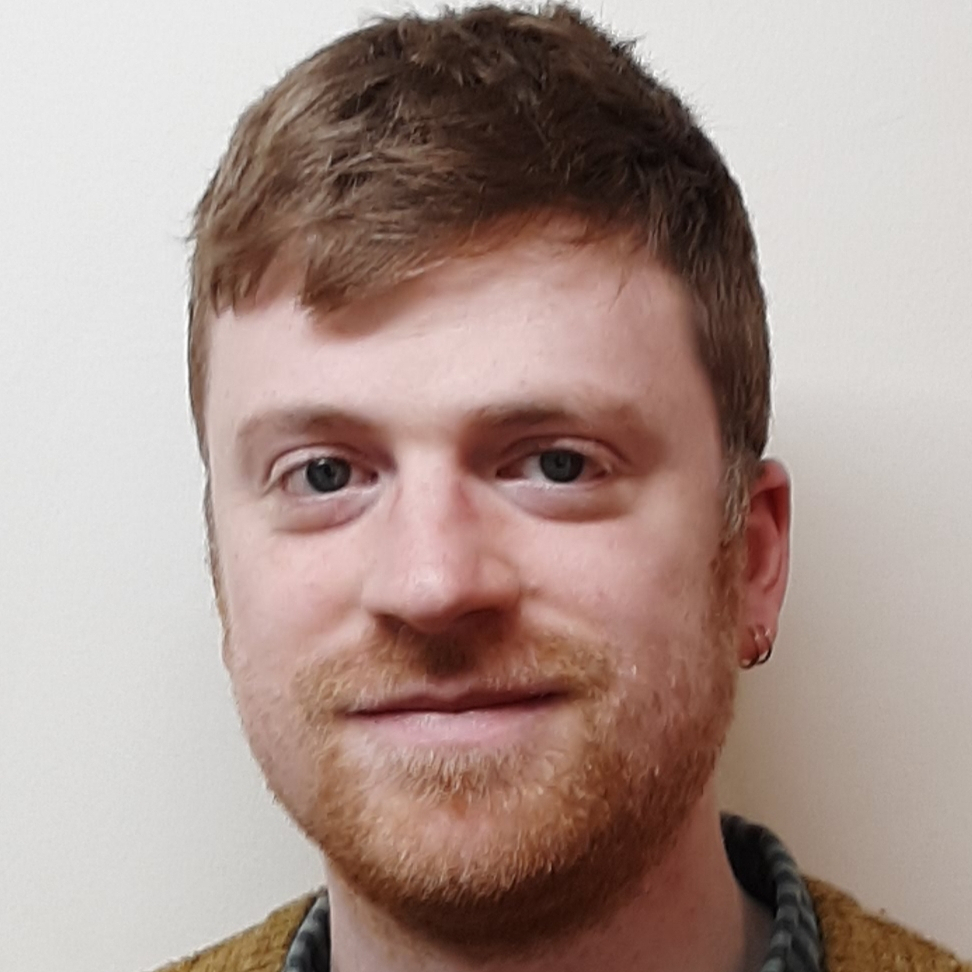
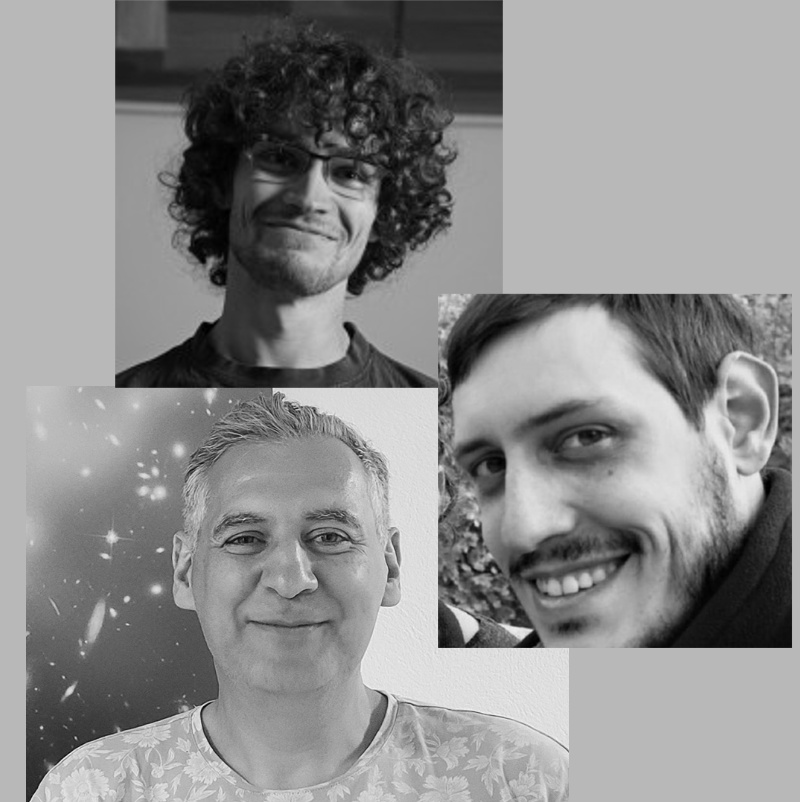
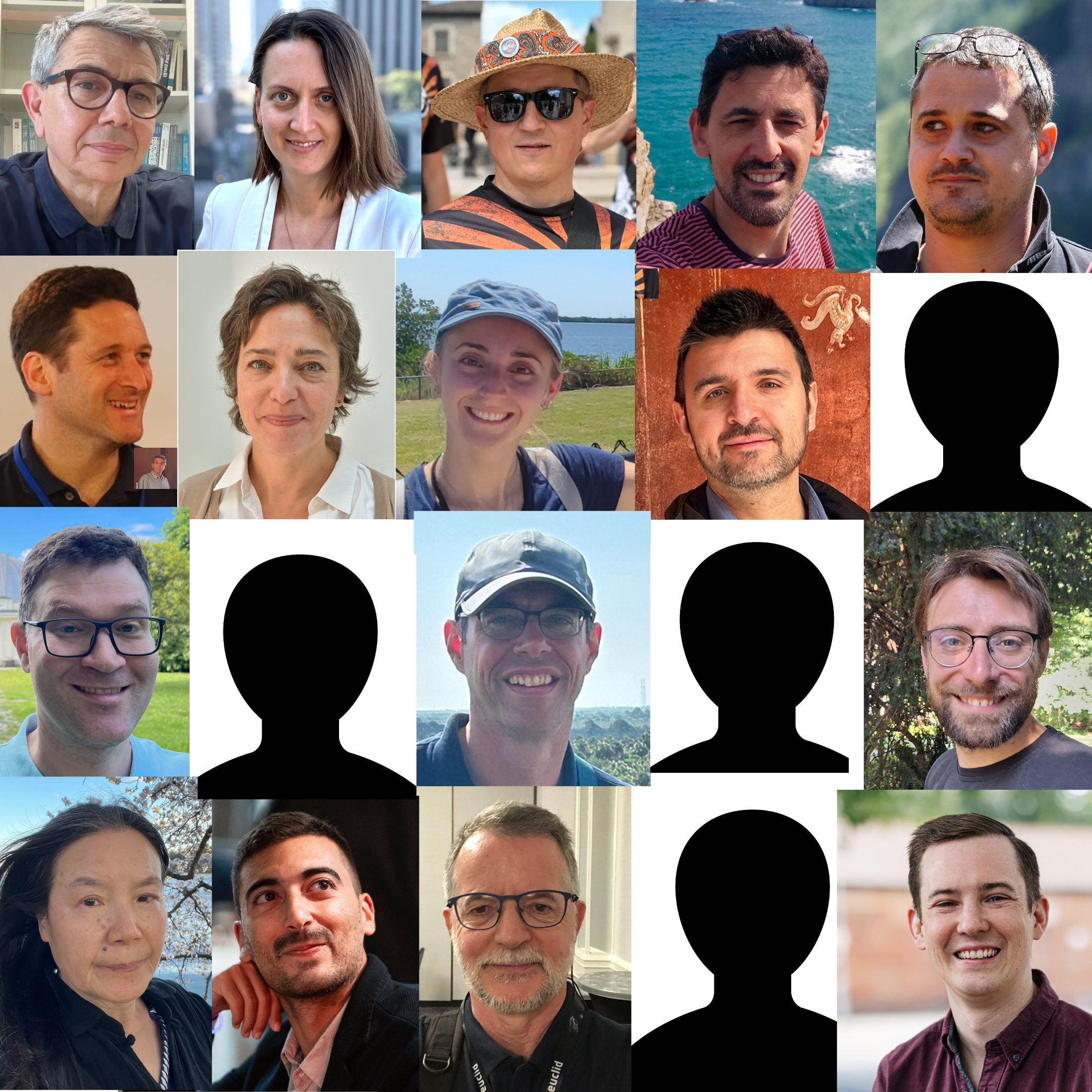
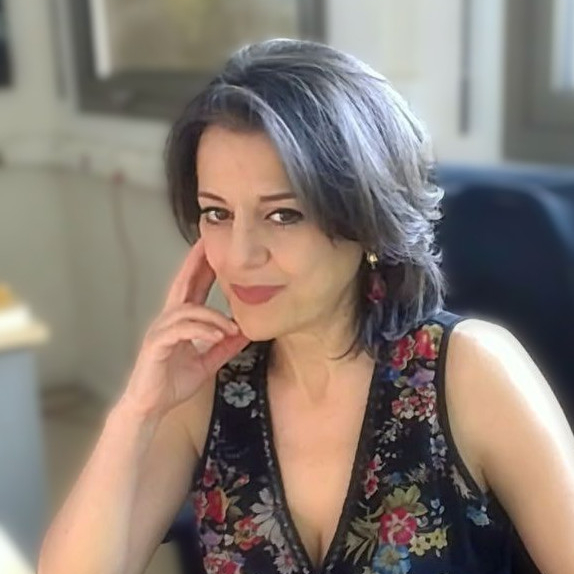
Euclid STAR Prize 2026 – Student Award
Motivation
For her exceptional scientific contributions to Euclid’s DR1 theoretical modelling for beyond LCDM cosmologies, and for her broader impact on Euclid DR1 readiness.
Bio
Maria is a postdoctoral researcher at the Royal Observatory of Edinburgh. She completed her PhD at the University of Edinburgh in April 2025. She works on constraining nonstandard cosmologies using weak lensing and galaxy clustering, with a particular focus on modelling nonlinear physics for large-scale structure. For instance, her work on prior-driven effects in perturbation-theory-based models reduces biased parameter estimation for beyond-LCDM scenarios. Within Euclid, Maria is leading the DR1 dark energy analysis in the Theory Science Working Group, aiming to pin down the evolution of dark energy and its interactions with dark matter. She also actively contributes to the development of the Euclid modelling and likelihood pipeline for extended cosmologies.
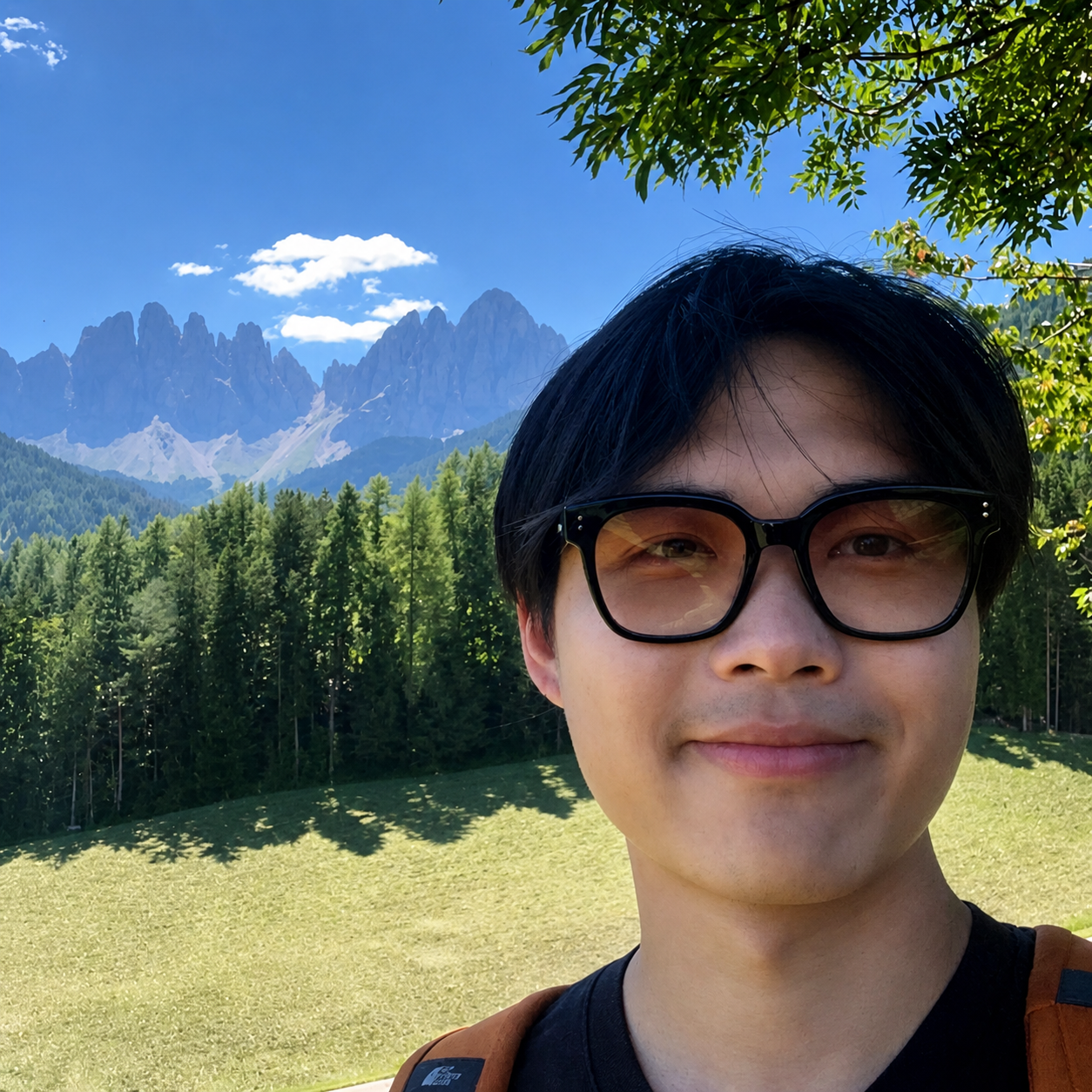
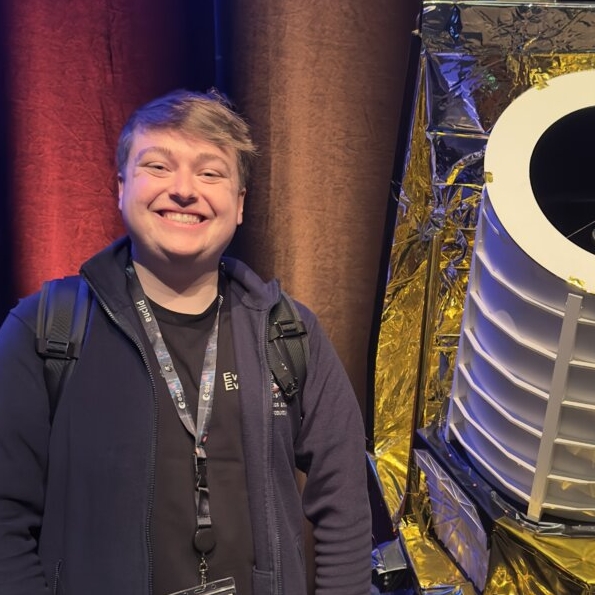
Euclid STAR Prize 2026 – Student Award
Motivation
For his groundbreaking discovery of quasars at unprecedented redshifts with the Euclid wide survey, demonstrating the mission’s exceptional potential in identifying high-redshift sources.
Bio
Daming Yang is a third-year PhD student at Leiden Observatory, working with Prof. Joseph Hennawi. His research focuses on identifying the brightest sources in the high-redshift universe, i.e. quasars and extremely UV-luminous galaxies, and using them to address key astrophysical questions about the epoch of reionization. Daming joined the Euclid Consortium in 2023 as a member of the QSO work package within the Primeval Universe science working group. His work is dedicated to finding the rarest sources at high redshift, a task uniquely suited to Euclid. With its unprecedented combination of area and depth, Euclid opens a discovery space inaccessible to any previous survey. His research spans the full discovery pipeline: selecting candidates from Euclid imaging, spectroscopically confirming them with the largest ground-based telescopes, and characterizing the confirmed sources through multi-wavelength follow-up with e.g. JWST and ALMA/NOEMA.
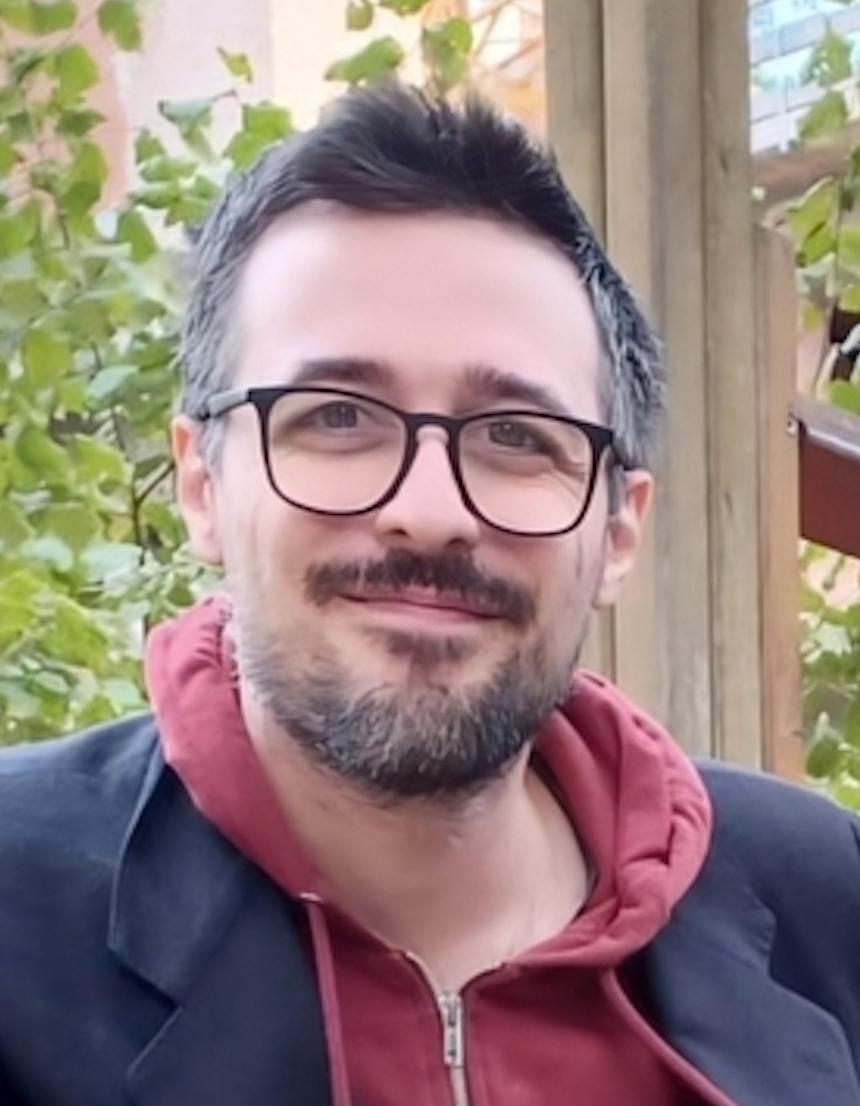
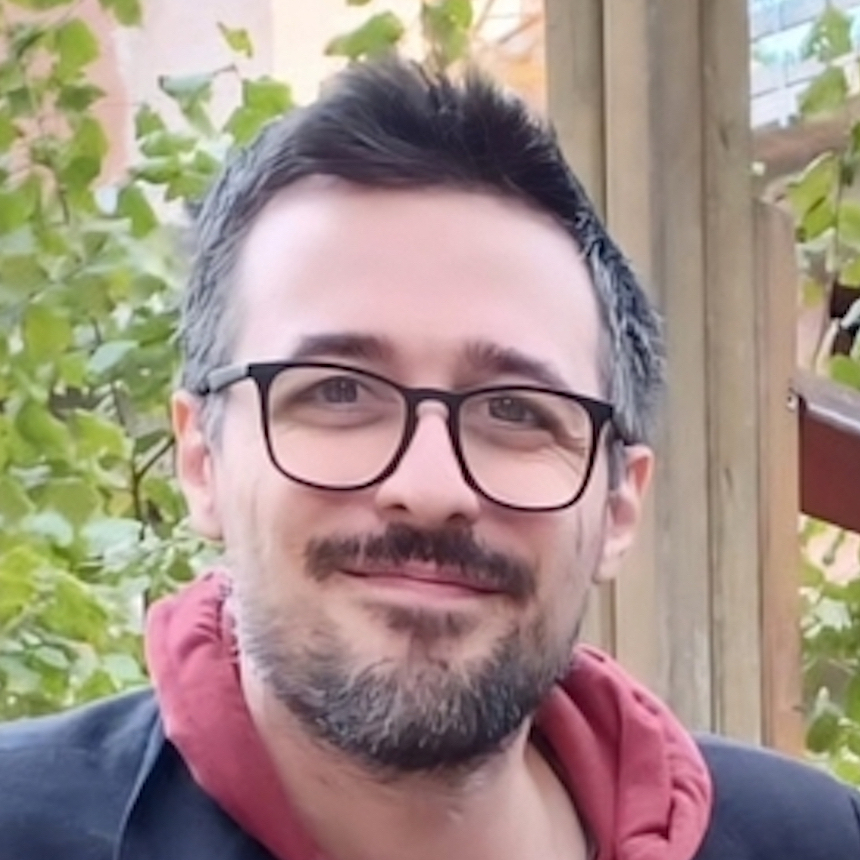
Euclid STAR Prize 2026 – Junior Award
Motivation
For his scientific excellence, technical expertise, tireless community support, and leadership in enabling Q1 science and DR1 preparations.
Bio
Andrea is currently a fixed-term researcher at INAF OAS in Bologna, and will join the Department of Astrophysics at CEA in Paris-Saclay starting in September 2026. He earned his PhD from the University of Padova in 2019, where his research focused on galaxy-galaxy strong lensing of sub-mm selected sources in the H-ATLAS survey. Following his PhD, he continued at the University of Padova as a postdoctoral researcher, shifting his focus to the Local Universe to conduct spatially resolved studies of grand design spirals using DustPedia data. In 2020, he moved to the University of Bologna to study radio-selected NIR dark galaxies and their contribution to the Universe’s SFRD after Cosmic Noon. Following a brief period working on HPC at CINECA, he returned to the University of Bologna before taking up his current position at INAF OAS. Joining the Euclid Consortium in 2022, Andrea is an active member of OU-PHZ, SWG-GAE, the ECEB, and the ELSA collaboration. His work has focused on forecasting the recovery of physical parameters (PPs) for the EWS and the EDFs, a Q1 paper on the SFMS whose catalogue of photo-zs and PPs has enabled multiple other Q1 works, and he is currently writing the technical paper on the PPs pipeline for DR1.
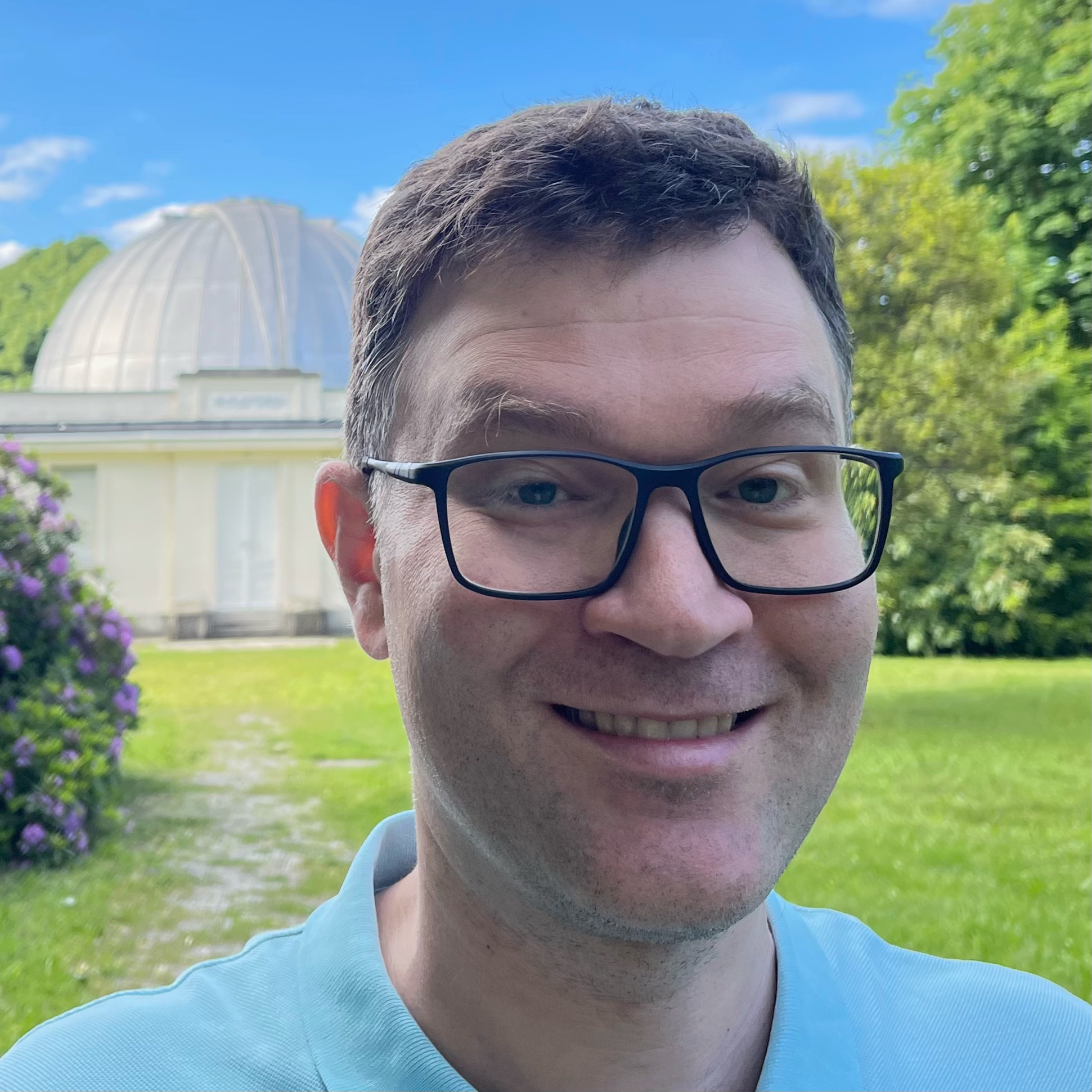
Euclid STAR Prize 2026 – Senior Award
Motivation
For his fundamental contributions to the spectroscopic pipeline and galaxy clustering analysis, and his crucial role as a bridge between the Science Ground Segment and the galaxy clustering science working group, integrating the full spectroscopic analysis chain.
Bio
Ben Granett is a staff researcher at INAF Osservatorio Astronomico di Brera in Merate, Italy. After completing his PhD in astronomy at the University of Hawai’i, he joined the VIPERS team as a postdoc at INAF to map the large-scale structure of the Universe. He subsequently joined the Euclid Consortium, focusing on the spectroscopic galaxy clustering probe. His work has concentrated on overcoming the data analysis challenges inherent in slitless spectroscopy to achieve precise cosmological constraints. He is a key contributor to the spectroscopic sample selection and visibility mask pipelines, which are responsible for providing an accurate assessment of the selection function for galaxy clustering analyses. He currently serves as deputy lead of the galaxy clustering science working group.
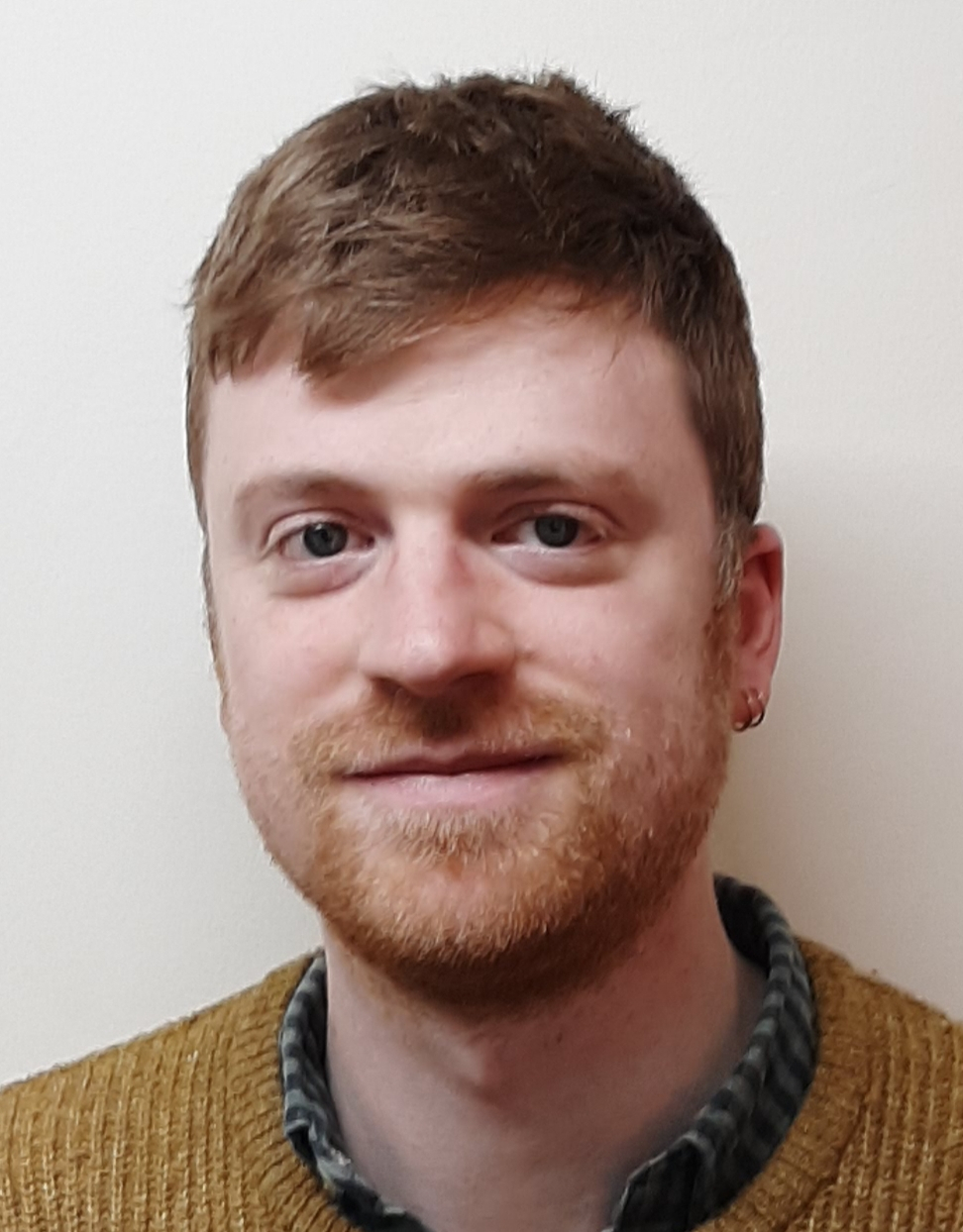
Euclid STAR Prize 2026 – Leadership & Coordination Award
Motivation
For his exemplary leadership of the weak lensing science working group and the 3x2pt pipeline group, and his passion and dedication to the Consortium.
Bio
Alex is a Royal Society University Research Fellow and lecturer at the Institute for Astronomy, University of Edinburgh. His research interests are mostly in cosmology with large-scale structure, particularly the modelling and interpretation of weak gravitational lensing and galaxy clustering data. He has been a member of the Euclid Consortium since 2013 and was a lead of the Weak Lensing Science Working Group from 2023-26. He chaired the Euclid UK Coordination Group from 2023-25, and currently co-chairs the 3x2pt Pipeline Group.
Euclid STAR Prize 2026 – Team Technical/Engineering Award
Motivation
For their critical contributions to the VMPZ, CONCAT, and CATRED pipelines, which are at the heart of Euclid’s scientific analyses, and for their responsiveness, technical expertise, and collaborative spirit.
Bio
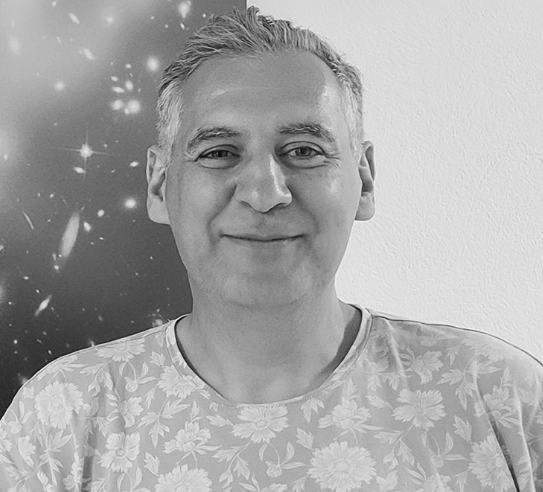
Juan Macías Pérez obtained his Ph.D. in cosmological physics in 2001 at the University of Manchester on the detection of the temperature fluctuations of the CMB with the Tenerife and COSMOSOMAS experiments. After a postdoctoral fellowship in Paris he joined the cosmology group at LPSC Grenoble where he has worked on various CMB experiments including the Archeops balloon and Planck satellite focusing on data analysis and cosmological interpretation. He later concentrated on the scientific exploitation of the NIKA2 camera at mm wavelengths. He joined the Euclid Consortium in 2014 taking in charge the EMC tests of the NISP detectors. He is now LE3 Internal Data Lead and focuses on VMPZ-ID developments.

Bio
Jérôme Odier obtained his Ph.D. in particle physics from 2008 to 2011 at the Laboratoire de Physique des Particules de Marseille (CPPM), working on the search for the Higgs boson in the Z→ZZ(∗)→4ℓ channel with the ATLAS detector at CERN. He contributed to the analyses that led to the Higgs boson discovery. He later joined the Laboratoire de Physique Subatomique et de Cosmologie (LPSC) in Grenoble as a research engineer, where he has been co-responsible for the official metadata of ATLAS datasets since 2013. He joined the Euclid Consortium in 2020 and is currently the lead developer of the LE3-VMPZ-ID project dedicated to telescope systematics and the mitigation of systematic effects impacting cosmological analyses.
Bio
Gaël Alguero completed his Ph.D. in particle physics at the Laboratoire de Physique Subatomique et de Cosmologie (LPSC) in Grenoble between 2019 and 2022, focusing on dark matter phenomenology and long-lived particles beyond the Standard Model. He later joined LPSC again in 2023 as a research engineer in computer science and became a member of the Euclid LE3-VMPZ-ID team. He contributed to the development of VMPZ-ID and took responsibility for the aggregation and reduction system of galaxy catalogs, mainly dedicated to weak lensing and galaxy cluster analyses.
Euclid STAR Prize 2026 – Team Technical/Engineering Award
Motivation
For achieving a key objective of the mission key point delta and producing the DR1 spectroscopic data, making it available to the Euclid community.
Bio
Sylvain is an Assistant Astronomer at the Laboratoire d’Astrophysique de Marseille, specialist in galaxy clustering cosmology using large-scale spectroscopic surveys. His expertise spans multiple facets, including spectroscopic data reduction, theoretical modeling, and cosmological inference. A member of the Euclid consortium since 2012, Sylvain has led various work packages within both the Galaxy Clustering Science Working Group (SWG) and the Science Ground Segment Level 3 Organisational Unit. He has served as the lead of the Galaxy Clustering SWG since November 2024 and coordinated the Spectroscopic Pipeline Coordination Group from November 2024 to April 2026.

Bio
Yun Wang led the Euclid Spectroscopic Pipeline Coordination Group from September 2023 through August 2024. She was the Euclid GC SWG Lead from September 2023–March 2026, and Deputy Lead from 2014–2023.
Bio
Pierluigi is associate professor at the Trieste university, he has worked on cosmology and galaxy formation, mostly on the theoretical and numerical side, and his scientific interests range from high redshift quasars to modified gravity. He is the main developer of the Pinocchio code for fast cosmological simulations. He joined the Euclid Consortium in 2012, working on galaxy clustering. He is currently co-leading the galaxy clustering science working group and a DR1 key project on observational systematics. He has provided a large set of thousands of Euclid spectroscopic skies, and is presently building mock galaxy catalogs as digital twins of the DR1 spectroscopic catalog, including its complicated systematic effects.
Bio
Michele is an Associate Professor at the Department of Physics and Astronomy “Augusto Righi” of the University of Bologna. His research focuses on observational cosmology, with a particular interest in developing innovative methods to constrain the expansion history of the Universe, such as cosmic chronometers and gravitational waves. He also works on the large-scale structure of the Universe and galaxy evolution. He is a member of several international collaborations, including Einstein Telescope, LIGO-Virgo-KAGRA, the Wide-field Spectroscopic Telescope, and LISA, holding several leadership roles in the cosmology area. He is also a Euclid Consortium builder member, where his contributions span the development of the spectroscopic and clustering pipelines in OU-SPE and OU-LE3, the characterization of sample purity and completeness, galaxy clustering analyses (both End-to-End and Higher-Order statistics), gravitational waves (co-leading the SWG-GW), and galaxy evolution studies.
Bio
Ben Granett is a staff researcher at INAF Osservatorio Astronomico di Brera in Merate, Italy. After completing his PhD in astronomy at the University of Hawai’i, he joined the VIPERS team as a postdoc at INAF to map the large-scale structure of the Universe. He subsequently joined the Euclid Consortium, focusing on the spectroscopic galaxy clustering probe. His work has concentrated on overcoming the data analysis challenges inherent in slitless spectroscopy to achieve precise cosmological constraints. He is a key contributor to the spectroscopic sample selection and visibility mask pipelines, which are responsible for providing an accurate assessment of the selection function for galaxy clustering analyses. He currently serves as deputy lead of the galaxy clustering science working group.
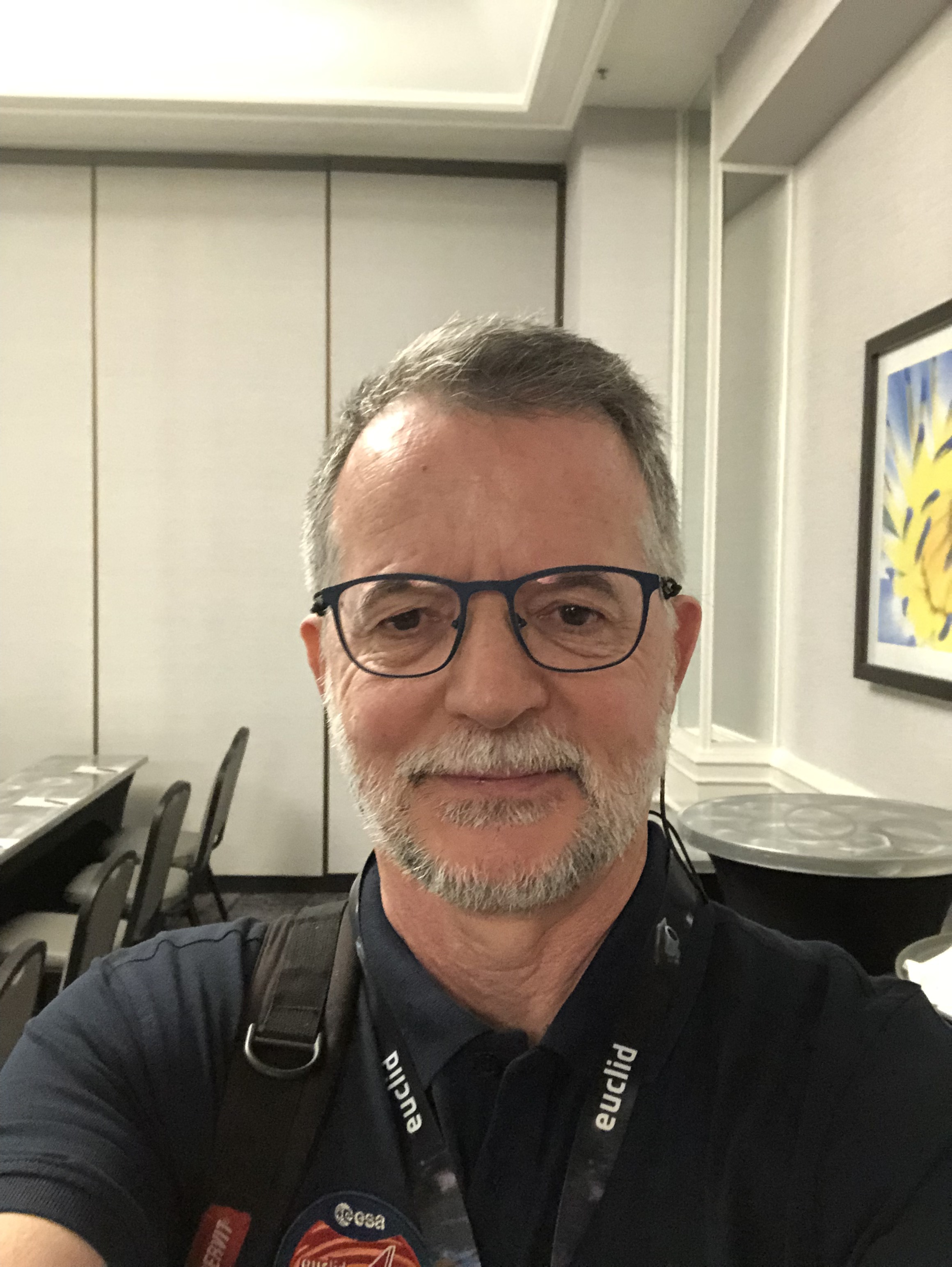
Bio
Luigi Guzzo is Full Professor at the University of Milan and associated researcher of the National Institute for Astrophysics (INAF). His science interests are in study of large-scale structure. He has been PI of the VIPERS survey with the ESO VLT and co-PI of other surveys with ESO telescopes (REFLEX, VVDS); in 2011 he was awarded an ERC Advanced Grant. He is a Founder of Euclid, in which he worked since the original 2006 “SPACE” proposal to the ESA “Cosmic Vision” call. In the Euclid Consortium, he led the Galaxy Custering SWG since survey since adoption (2010) till 2023; he is currently Science Coordinator for the core science, chair of the EC Publication Group Science (ECPGS) and member of the ECEB. Together with his fellow GC-SWG leads, in 2022 he started the GC-Pipeline (Validation) Group, to coordinate and strengthen the validation of the spectroscopic data along the full production chain.
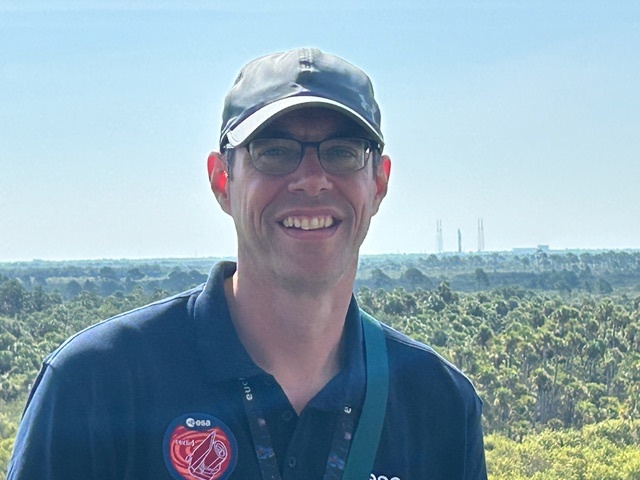
Bio
Will Percival is a professor at the University of Waterloo in Canada. He has held various management positions within the Euclid consortium, including organising the GC pipeline group for the first 18 months after it started in 2022.
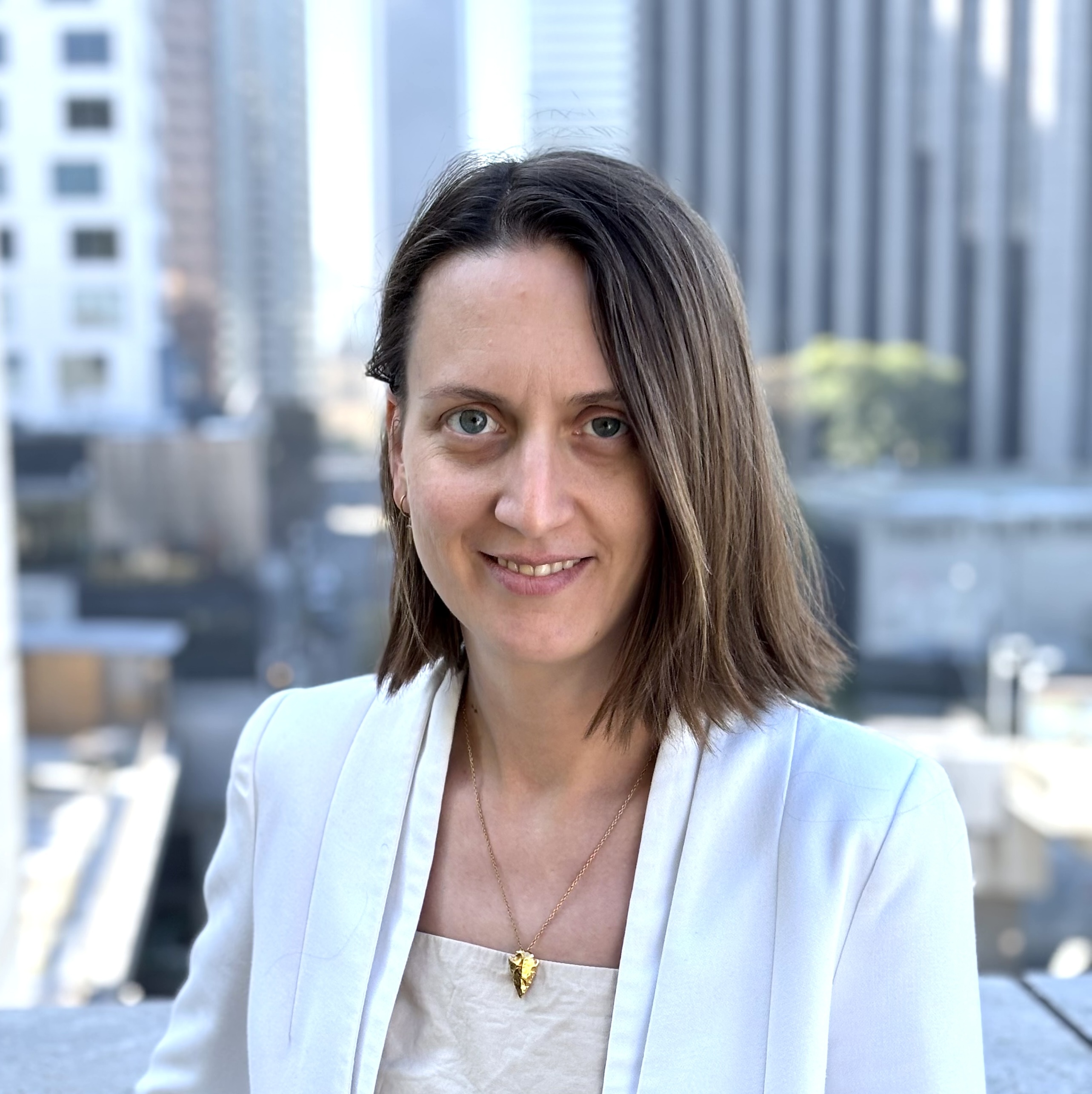
Bio
Katarina (Dida) Markovič is a research scientist at NASA’s Jet Propulsion Laboratory, Caltech, Pasadena, USA, where she works on large-scale structure cosmology with a focus on galaxy clustering and weak gravitational lensing. She serves as deputy on the US Dark Energy Science Team and co-leads the Euclid Catalogues for Data Release 1 Key Project (DR1-KP-GC-3).
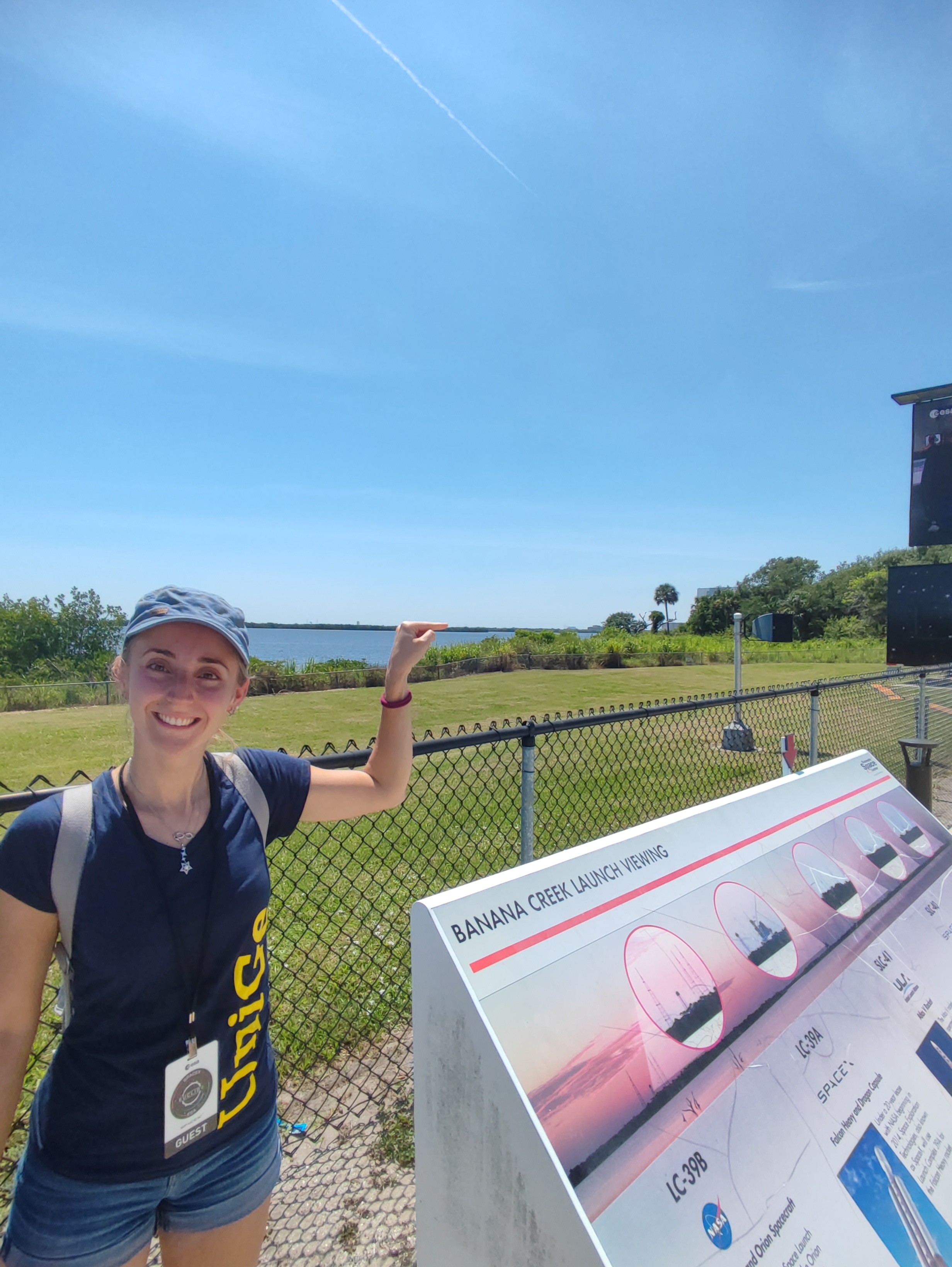
Bio
Ilaria is a postdoctoral researcher at Università degli Studi di Genova. She currently serves as co-lead of the Euclid galaxy clustering Key Project on Observational Systematics, coordinating mitigation studies of systematic effects affecting large-scale structure analyses. She has been an active contributor to the Euclid mission since her Master’s thesis, initially working on in-flight self-calibration activities and later focusing on the impact of redshift interlopers on Euclid DR1 galaxy clustering measurements. She is currently involved in the optimisation of the Euclid spectroscopic catalogue within the spectroscopic pipeline coordination group, and her recent work has focused on stellar-related systematics affecting the Euclid spectroscopic sample.
Bio
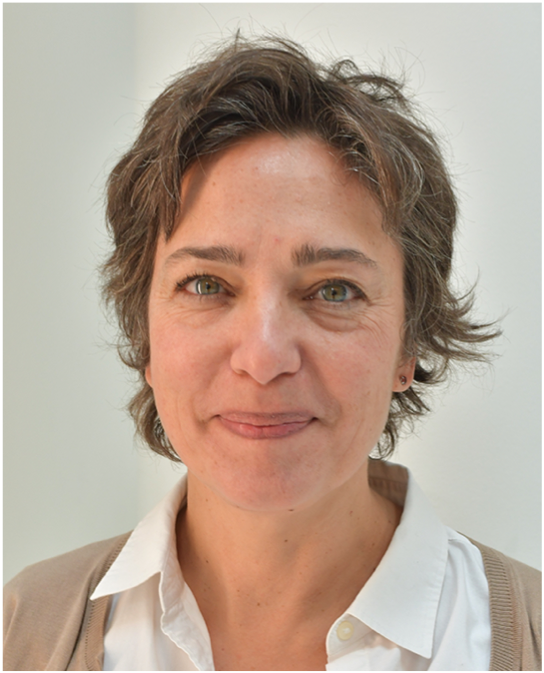
Claudia Scarlata is a McKnight Distinguished Professor of Astrophysics and Director of the Minnesota Institute for Astrophysics at the University of Minnesota. She is a member of the Euclid Science Coordination Group. Her research focus on various aspect related to the reionization of the universe.

Bio
Enzo Branchini is Full Professor in the Department of Physics at the University of Genoa. After graduating in 1994 from the International School for Advanced Studies (SISSA), Trieste, he held postdoctoral positions at the University of Durham and at the Kapteyn Institute of the University of Groningen. He subsequently moved to Roma Tre University, first as a permanent researcher and later as Associate Professor. The main focus of his research activity is the study of the large-scale structure and dynamics of the Universe using spectroscopic galaxy surveys. He joined the Euclid Consortium in 2012 as Work Package Manager within the Level 3 Organizational Unit of the Science Ground Segment, and has co-led the Level 3 Organizational Unit since 2014.

Bio
TBD

Bio
Into slitless and integral-field spectroscopies, type Ia supernovae, and samba enredo, all about extracting signal from beautifully organized chaos
Bio
Vincent Le Brun is Professor at Laboratoire d’Astrophysique de Marseille (Aix-Marseille Université / CNRS /CNES), with a past experience in organization and analysis of large spectroscopic surveys (VVDS, VIPERS, VUDS). He is now responsible of the SPE processing function of the Euclid SGS. SPE-PF is in charge of the measurement of the redshifts on the NISP spectra, as well as spectroscopic classification of objects.
Bio
TBD
Bio
TBD
Bio
TBD
Bio
TBD
Bio
TBD
Bio
TBD
Bio
TBD
Bio
TBD
Bio
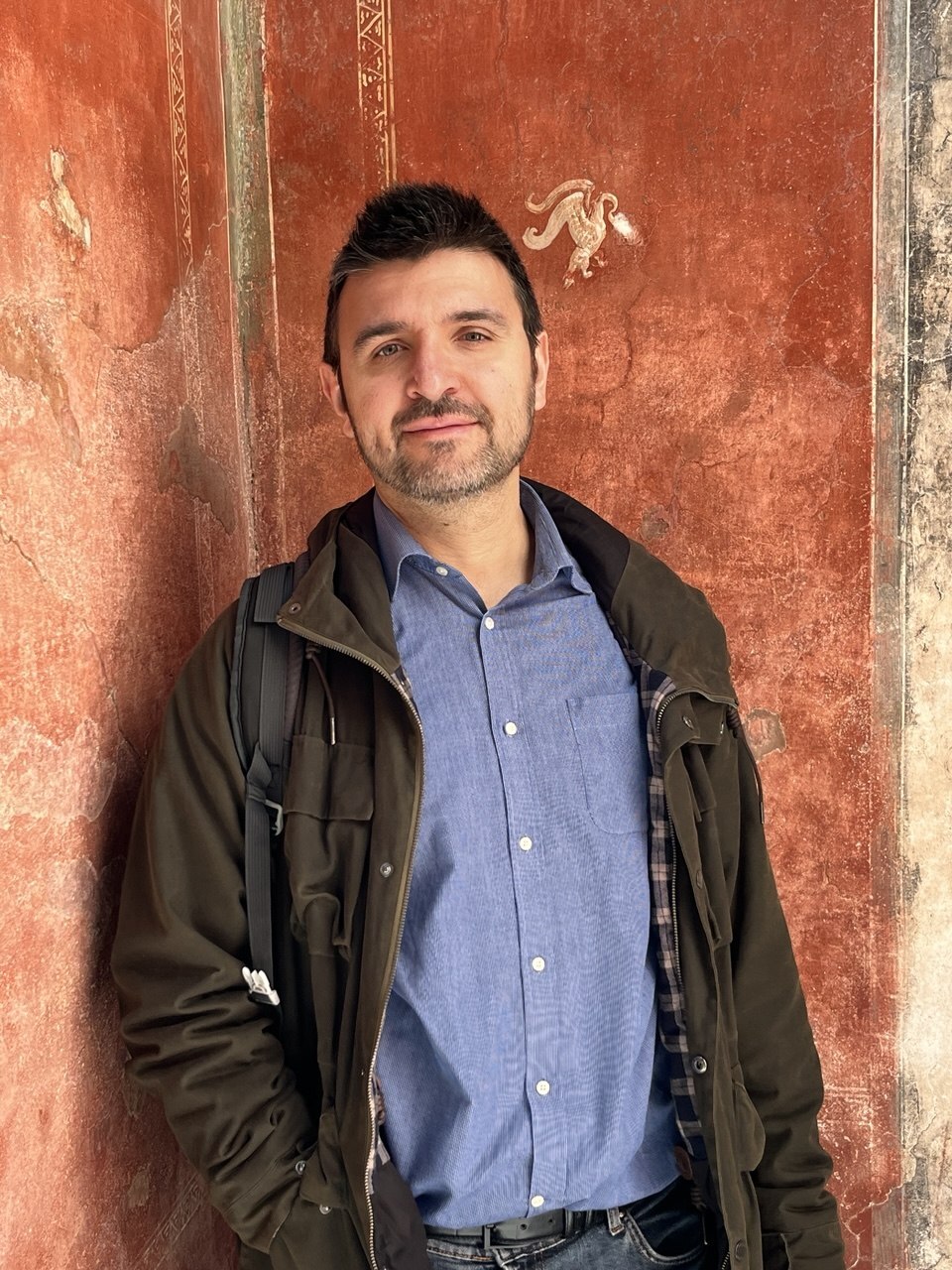
Alfonso Veropalumbo is a researcher at INAF–Osservatorio Astronomico di Brera, working on large-scale structure cosmology, with an emphasis on developing statistical methods for spectroscopic galaxy surveys. His main research interests are numerical techniques to extract configuration-space probes of galaxy clustering, including the two-point and three-point correlation functions, and their use for cosmological inference. Within the Euclid Consortium, he contributes to the OU-LE3 Galaxy Clustering pipeline. He maintains the three-point correlation function estimator for Euclid and is involved in the validation of clustering statistics from first data. He co-leads the DR1 key project on higher-order statistics analysis (DR1-KP-GC6) and contributes to the covariance estimation framework for the spectroscopic clustering pipeline.
Bio
TBD

Bio
Chris Pattison is a Research Software Engineer at the Institute of Cosmology and Gravitation, University of Portsmouth, UK. His PhD research focussed on early universe inflation and primordial black holes, but he has now moved to more observational and coding work in the Euclid galaxy clustering pipeline, including working on SEL-ID and VMSP-ID. Alongside this work in Euclid, Chris leads several interdisciplinary projects, working with colleagues in many to other departments and domains, applying the technical skills learned in astrophysics to other areas of research. Chris also has a passion for science communication and runs a YouTube channel covering all aspects of astrophysics, space missions, and astro-images.
Bio
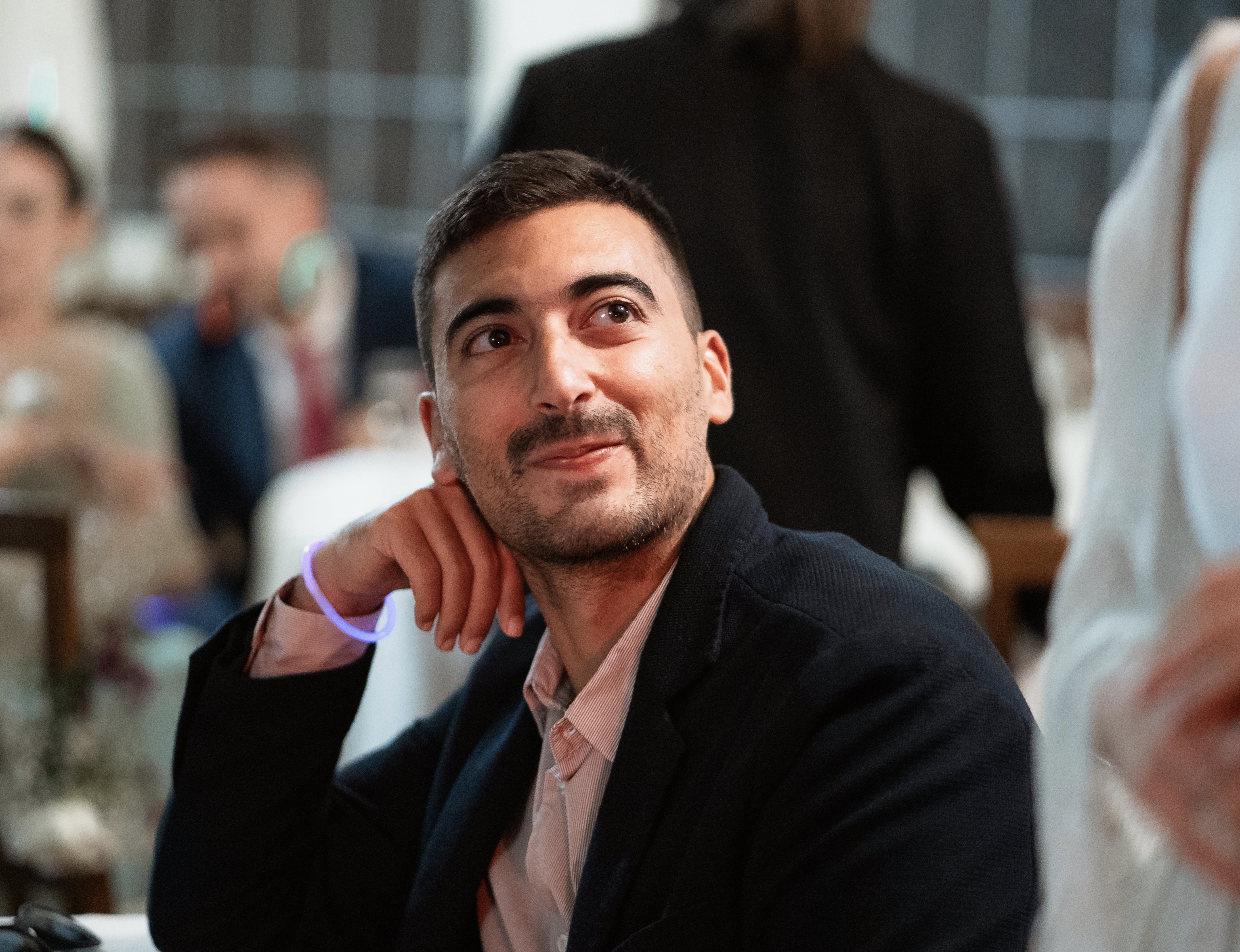
Antonio Farina recently completed his PhD at the University of Genoa (Italy) and is currently a postdoc at the INAF Astronomical Observatory of Brera (Milan, Italy). His research focuses on galaxy clustering, with particular emphasis on the modelling and estimation of higher-order clustering statistics, the characterisation of the selection function for the Euclid spectroscopic catalog, and the development of statistical methods for cosmological data analysis.
Bio
TBD
Bio
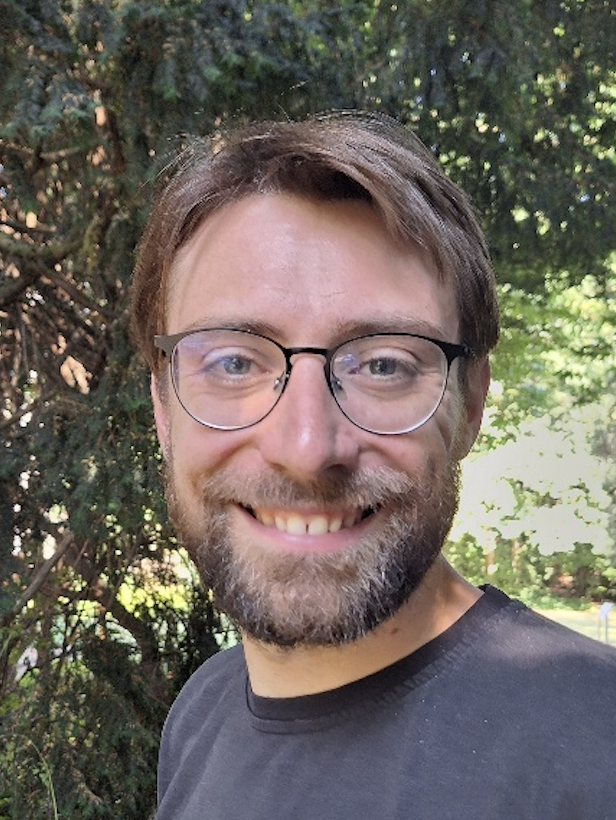
Matthieu Béthermin is a staff associate astronomer at the Strasbourg Astronomical Observatory (ObAS). His research focuses on high-redshift dusty star-forming galaxies and the cosmic far-infrared background, with particular expertise in long-wavelength observations using facilities such as Planck, Herschel,ALMA, and IRAM, as well as phenomenological modeling. He co-leads WP8 of the SWG-GAEV, dedicated to multi-wavelength synergies. As part of his functional duties as an astronomer, he has been involved since 2017 in the OU-SPE component of the Euclid pipeline, which focuses on the automatic characterization of 1D spectra, first at Laboratoire d’Astrophysique de Marseille (LAM) and later at ObAS. His contributions to OU-SPE span several areas, including forecasts of the purity and completeness of the cosmological sample, studies of the impact of the blue grism in the deep fields and the optimization of the observing strategy, the development of photometric selections aimed at improving sample purity, and the validation and documentation of Q1 and DR1 performances.
Bio
TBD
Bio
TBD
Bio
TBD
Bio
TBD
Euclid STAR Prize 2026 – IDEA Award
Motivation
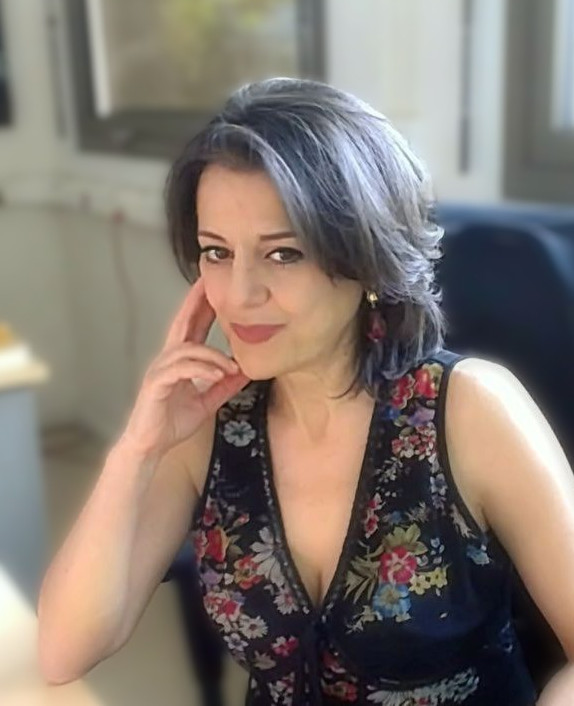
For her outstanding stewardship of the Euclid tracking portal and her warm welcome to all new members.
Bio
Ghada Martin spent nearly two decades teaching French Literature and Mathematics in the Paris region, developing a strong commitment to differentiated pedagogy and inclusive education. Alongside her teaching practice, she built solid expertise in digital tools, adult training, and instructional design. In 2022, she transitioned into research administration, joining CERC, a Contract Research Organization specializing in cardiovascular clinical trials. As a Project Assistant, she contributed to medical data and imaging quality control (ECG, echocardiography, CT scans, MRI), while supporting digital communication, internal training, and the development of dashboards, KPIs, and detailed meeting reports. She worked within a highly international, multi-stakeholder environment, contributing to multicenter clinical trials conducted across more than 50 countries. Since September 2024, she has been working at the Institut d’Astrophysique de Paris (IAP) as Project Monitoring Officer for the Euclid mission. In this role, she manages the consortium’s membership database, oversees activity tracking cycles, and administers the dedicated tracking platform, including maintenance, troubleshooting, and user support. She also contributes to internal communication and coordination across the consortium.
Euclid STAR Prize 2026 – Outreach Award
Motivation
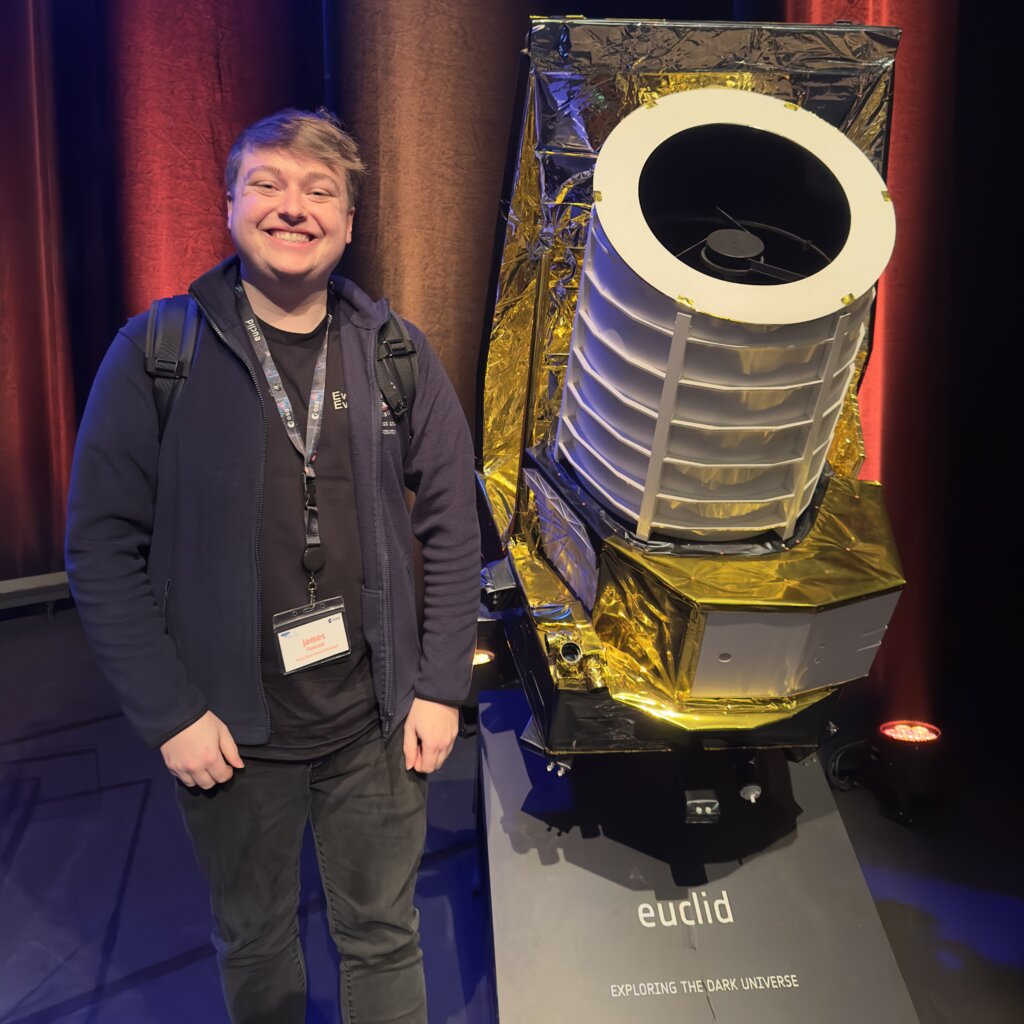
For his outstanding outreach achievements and leadership, becoming the driving force behind Euclid outreach in the UK.
Bio
Based at the Royal Observatory Edinburgh, James is a public engagement professional who currently coordinates education and public outreach (EPO) programme for the Euclid mission across the UK, as well as contributing to EPO activity for the wider Euclid Consortium. He is keen to raise the profile of the Science Ground Segment (SGS) and explore opportunities to improve the accessibility and equity of the Euclid mission for underrepresented groups. Previously, James has worked at science centres and planetaria across the UK, including Dynamic Earth in Edinburgh and Jodrell Bank Observatory near Manchester. While at Jodrell Bank, James completed a MSc research project in Radio Astronomy, with a particular interest in the use of interferometry for SETI searches. Sadly, no aliens were found!