Press Release: Euclid Quick Data Release 2 (exoplanets)
2026-06-24, Euclid Consortium
PDF version of press release text
Euclid Consortium: New exclusive data from the Euclid space telescope
Today, the Euclid Consortium releases a series of scientific papers and associated data products based on dedicated observations obtained with the Euclid space telescope. As part of efforts to discover and characterize exoplanets, scientists within the Euclid Collaboration observed, processed, and analyzed regions toward the center of the Milky Way. These results once again demonstrate Euclid’s unprecedented ability to deliver exceptionally high-quality data across a broad range of astrophysical research areas, extending well beyond its primary cosmological mission.
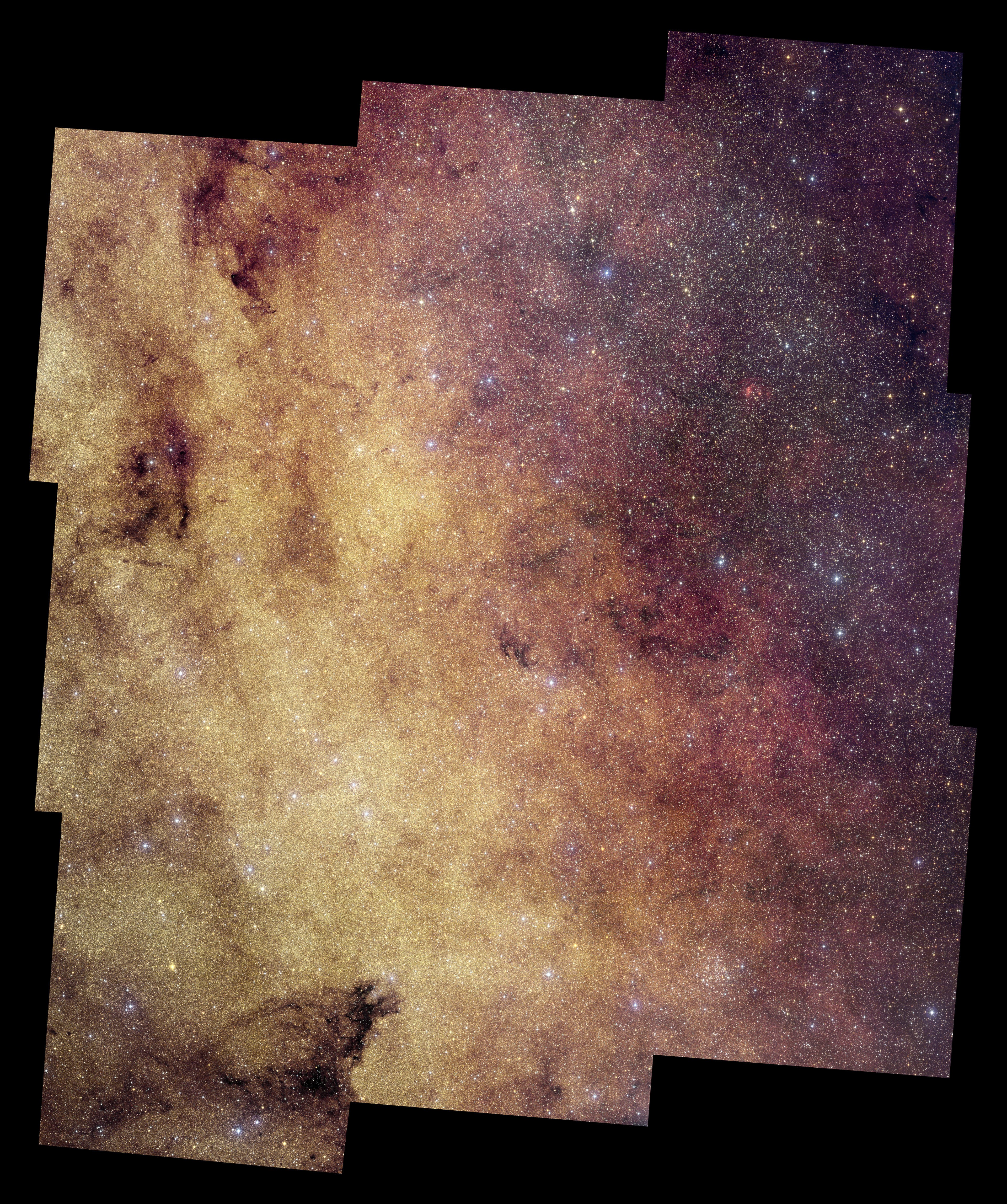
The Euclid Galactic Bulge Survey observations
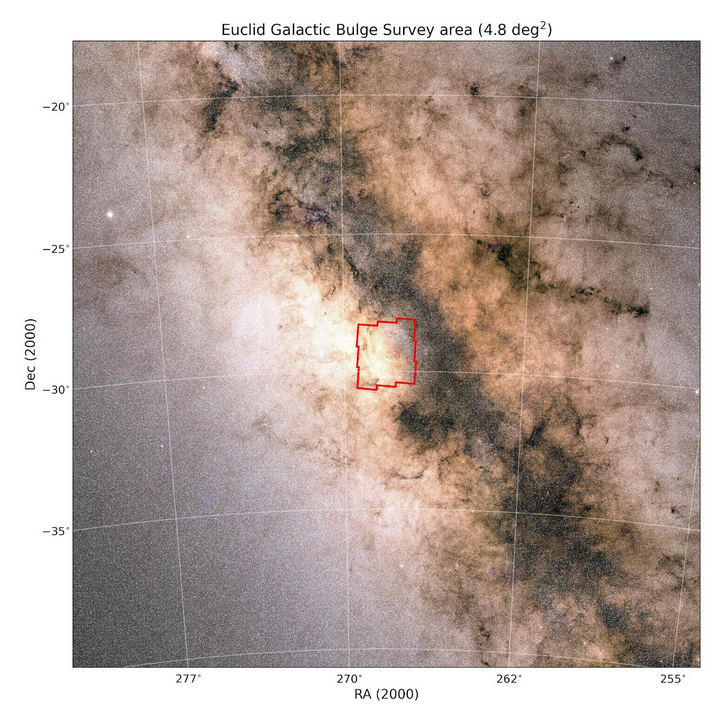
On 23 March 2025, the Euclid space telescope turned its gaze toward a region near the Galactic Centre, capturing an exceptionally deep, wide-field, and high-resolution view of the Milky Way’s inner bulge. Over approximately 26 hours, Euclid observed nine contiguous fields covering a total area of 4.8 square degrees. Using only its visible-light instrument, VIS – a 600-megapixel camera with extraordinary imaging capabilities – the telescope recorded more than 60 million stars in unprecedented detail.
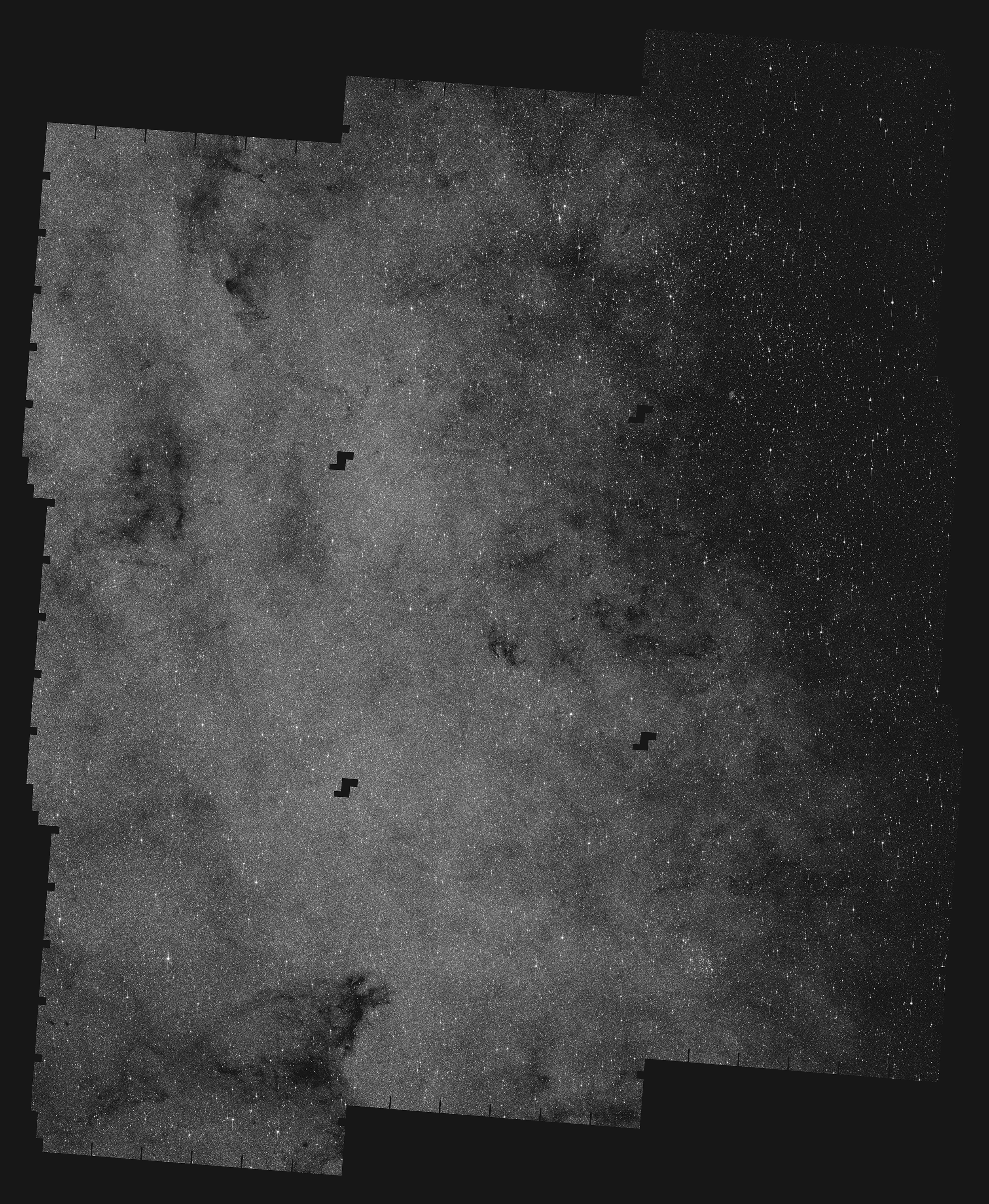
These observations form part of the Euclid Galactic Bulge Survey (EGBS), a dedicated program designed to advance the discovery and characterization of exoplanets. By harnessing the remarkable precision of VIS and combining Euclid data with complementary observations from ground and space-based facilities, scientists within the Euclid Consortium expect to identify numerous new planetary candidates and refine our understanding of known planetary systems.
In particular, the survey will enable researchers to measure the masses of approximately 60 exoplanets previously discovered within the EGBS field over the past two decades. “Such measurements are essential for determining the physical properties of these worlds and for understanding how planetary systems form and evolve across our Galaxy”, says Valerio Bozza, astrophysicist in Salerno University.
Exoplanet science usually gathers results from different techniques, instruments, and observational programs. “Euclid is uniquely capable of providing the precise mass measurements we need to complete the picture. These measurements are a crucial ingredient in understanding the diversity and demographics of planetary populations throughout the Milky Way”, adds Jean-Phillipe Beaulieu, astrophysicist at the Institut d’astrophysique de Paris.
A unique searching technique: microlensing
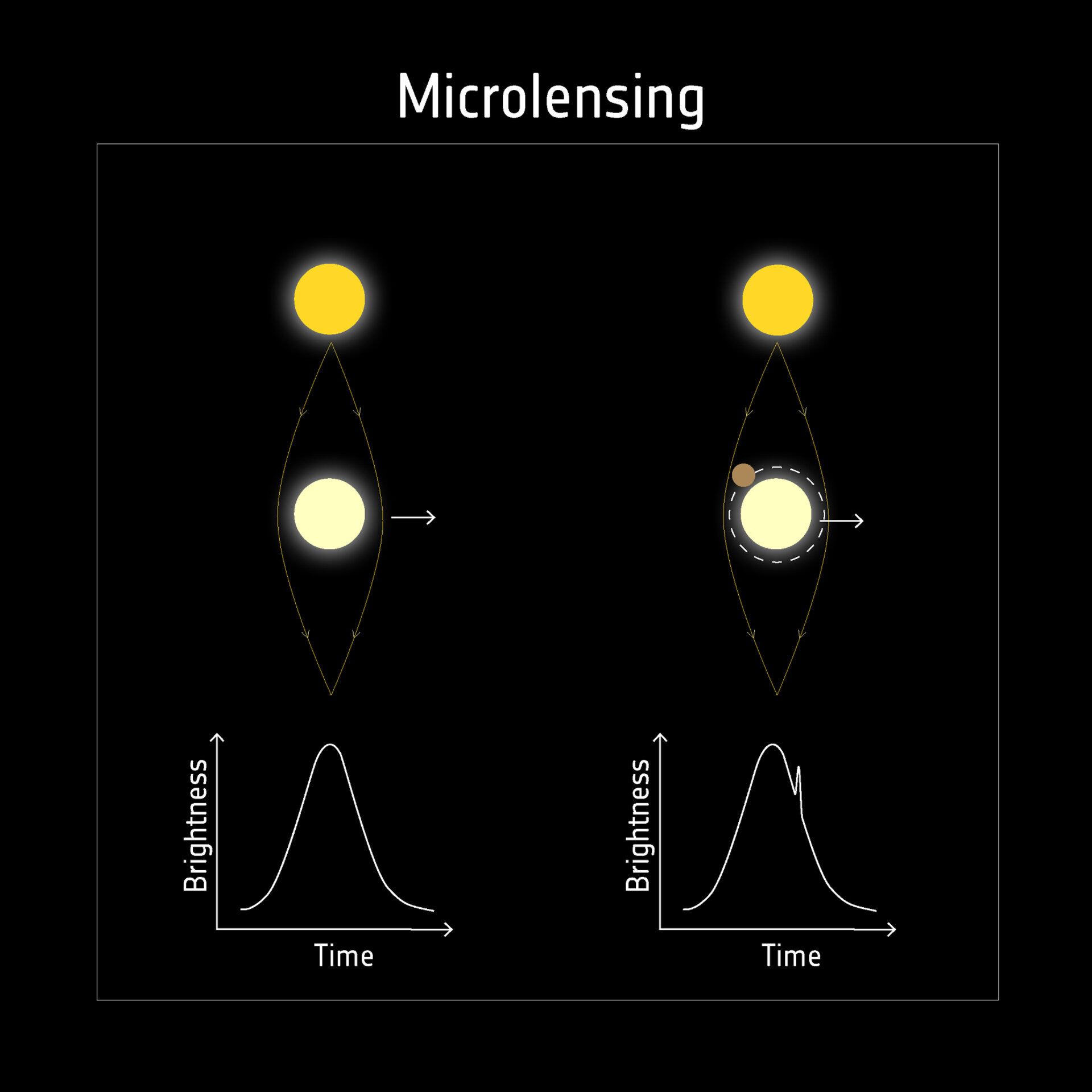
Exoplanets in this survey are identified through a technique called microlensing, a manifestation of gravitational lensing, that is already central to Euclid’s science. When a foreground star or planetary system briefly aligns with a more distant star, the background star’s light is amplified. This signature bell-shaped stellar signal can last weeks, while planets orbiting the foreground star introduce shorter perturbations lasting hours to days.
The Galactic Bulge Survey targets regions rich in past microlensing events observed from the ground, where the lens and source have since begun to separate. “This time baseline makes it possible to track the motion of the host stars and better characterise the planetary systems, ultimately enabling more accurate mass estimates for planets as small as Mars”, states Eamonn Kerins, astrophysicist at Manchester University
For gravitational lensing to occur, a very dense part of the sky must be observed. “Towards the center of the galaxy, there is one chance in a million for a star to be magnified, while it would be one in a billion on other lines of sight”, states Matthew Penny, assistant professor at Louisiana State University and current lead of the Euclid Exoplanets team.
Future observations and exploitation
The survey footprint overlaps with the field that the NASA Nancy Grace Roman Space Telescope, scheduled to launch on September 30, 2026, will repeatedly observe over several years, starting in 2027, as part of its Galactic Bulge time-domain program. By analyzing earlier images from Euclid, the collaboration will be able to precisely identify the foreground lens systems that Roman will later detect through microlensing events. “The NASA Roman mission will discover at least 1200 planets, including ~200 in 2027. Euclid will provide precise mass measurements, and ultimately give the distribution of cold planets in the Universe”, adds Etienne Bachelet, Assistant professor at the Université Marie et Louis Pasteur/UTINAM.
Future milestones for the Euclid mission
The next Euclid data release (DR1) is scheduled for late 2026. This unprecedented dataset, corresponding to one year of Euclid observations, will represent – and by far – the largest map of the Universe ever produced from space in both infrared and visible light. Its unique combination of wide sky coverage and high resolution will also drive breakthroughs in many other fields of astrophysics, with discoveries on the nature of dark matter and dark energy expected in 2027.
The Euclid Consortium
The Euclid Consortium, in partnership with the European Space Agency (ESA) and the National Aeronautics and Space Administration (NASA), has designed and built the instruments of the Euclid space telescope. It has also developed and currently operates the data pipeline, the system responsible for processing and organizing data from the telescope. This mission aims to map the extragalactic sky over a period of six years, providing unique data that offer new insights into dark energy and dark matter. Launched on July 1st, 2023, the telescope successfully began its cosmological survey on February 14th, 2024.
The Euclid Consortium comprises more than 2000 members, from more than 300 laboratories in 15 European countries, plus Canada, Japan, and the United States, covering various fields in astrophysics, cosmology, theoretical physics, and particle physics.


ESA Q2 release webstory
Find ESA’s story here: https://www.esa.int/Science_Exploration/Space_Science/Euclid/ESA_s_Euclid_captures_the_Milky_Way_s_crowded_heart
Press inquiries
For more information, or press inquiries to the Euclid Consortium, please email menard@iap.fr.
Euclid Consortium Press Contacts page includes national contacts